



 How to Replace Discontinued Solar Panels in Existing Solar Systems
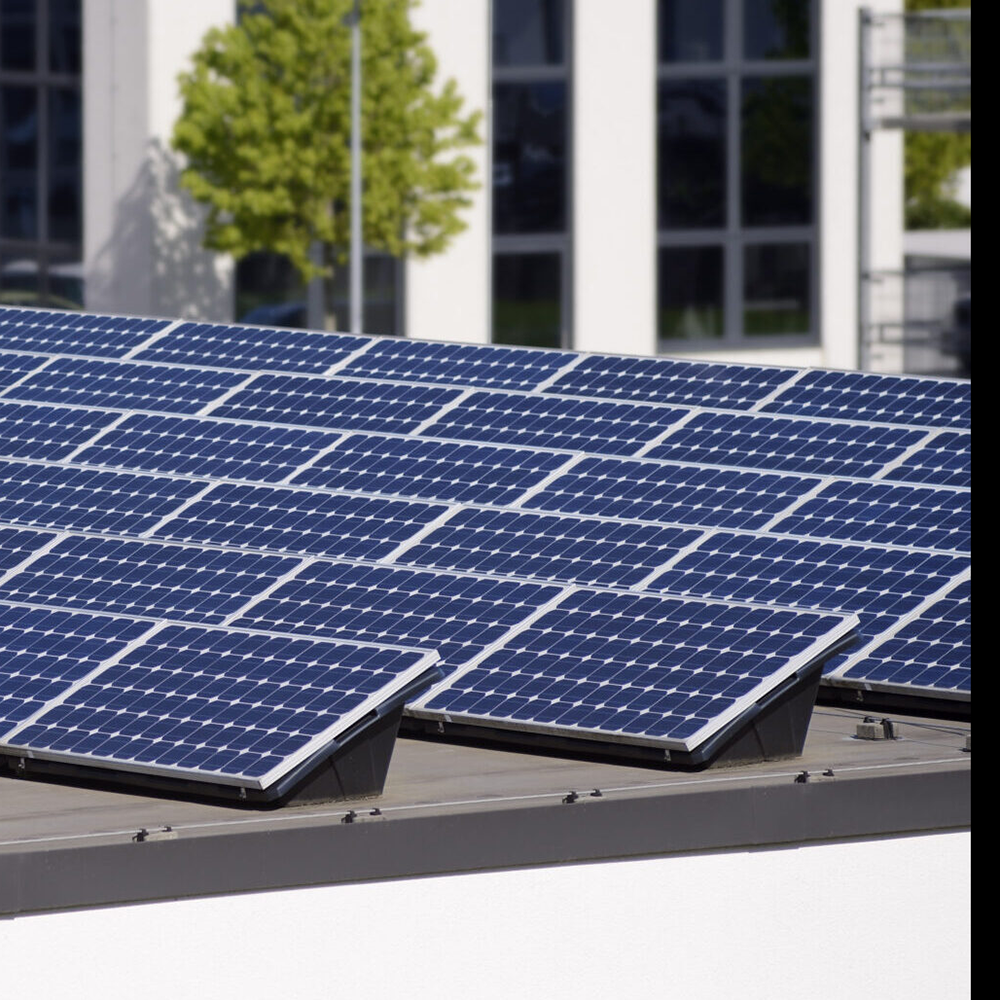
Many photovoltaic systems installed between 2010 and 2020 are now reaching an age where panel replacement and maintenance are required. During this period, most solar installations used 156mm and 158.75mm solar cells in 60-cell and 72-cell module configurations. These modules typically had power ratings between 250W and 380W. However, the solar industry has rapidly evolved. Modern solar panels now use 166mm, 182mm, and 210mm wafers, which means many earlier module sizes have been discontinued by major manufacturers. When a panel in an existing system becomes damaged or fails, replacing it can become challenging.
Why Solar Panels Need Replacement
Although solar panels are designed to last 25 years or more, individual modules may require replacement due to several factors:
- Severe weather damage (hail, storms, wind)
- Glass breakage
- Hot spots or cell degradation
- Potential Induced Degradation (PID)
- Transportation or installation damage
- Aging components
In large solar farms, even a small number of damaged modules can reduce system performance.
Challenges When Replacing Old Solar Panels
Replacing a solar panel is not always as simple as installing a new one. Several factors must be considered.
Panel Size Compatibility
Older solar panels often have different dimensions compared to modern modules.
For example:
- 60 cell 156mm module: 1650 × 992 mm
Modern modules may exceed 2000 mm in length, which may not fit the existing mounting structure.
Electrical Parameter Matching
Each PV module has specific electrical characteristics:
- Voltage (Vmp)
- Current (Imp)
- Open Circuit Voltage (Voc)
- Short Circuit Current (Isc)
If a replacement panel does not match the original parameters, it may cause string mismatch losses.
Mounting Structure Compatibility
Existing solar systems were designed around specific module sizes and mounting hole locations. Changing the panel dimensions may require modifying the mounting structure.
Best Solution: Compatible Replacement Modules
The most practical solution is to use replacement modules designed to match legacy solar panels. These panels maintain similar:
- Dimensions
- Cell configuration
- Electrical parameters
- Mounting compatibility
This allows system operators to repair damaged panels without redesigning the entire solar array.
Legacy Solar Panels Still Commonly Used
Many solar power plants still use the following module formats:
- 60 cell 156mm solar panels
- 72 cell 156mm solar panels
- 60 cell 158.75mm (G1) solar panels
- 72 cell 158.75mm (G1) solar panels
These modules typically range from 250W to 380W depending on configuration.
Who Needs Replacement Solar Panels
Replacement modules are commonly required by:
- Solar farm operators
- EPC maintenance companies
- Solar O&M service providers
- Commercial building owners
- Residential solar system owners
Maintaining compatible panels helps keep the solar system operating efficiently for the remainder of its service life.
Tips for Selecting Replacement Solar Panels
When sourcing replacement modules, consider the following factors:
- Match the cell format (156mm or 158.75mm)
- Ensure similar module dimensions
- Check electrical compatibility
- Confirm mounting hole positions
- Choose reliable manufacturing quality
Working with a manufacturer experienced in legacy solar panel production can simplify the replacement process.
Future of Solar System Maintenance
As global solar installations continue to grow, the need for replacement modules and system maintenance will increase. Even though new technologies dominate the market, legacy photovoltaic systems will remain in operation for decades, creating an ongoing demand for compatible replacement panels.
FAQ
Can I replace one solar panel in an existing system?
Yes. Individual panels can be replaced if a compatible module with similar electrical parameters is used.
Why can't I just install a newer high power panel?
Newer panels often have different voltage and current characteristics, which may cause mismatch within the PV string.
Are old solar panels still manufactured?
While large manufacturers have stopped mass production, some specialized manufacturers can still produce compatible replacement modules.
How long do solar panels typically last?
Most solar panels are designed for a lifespan of about 25 years, though individual modules may require replacement earlier due to damage.
