



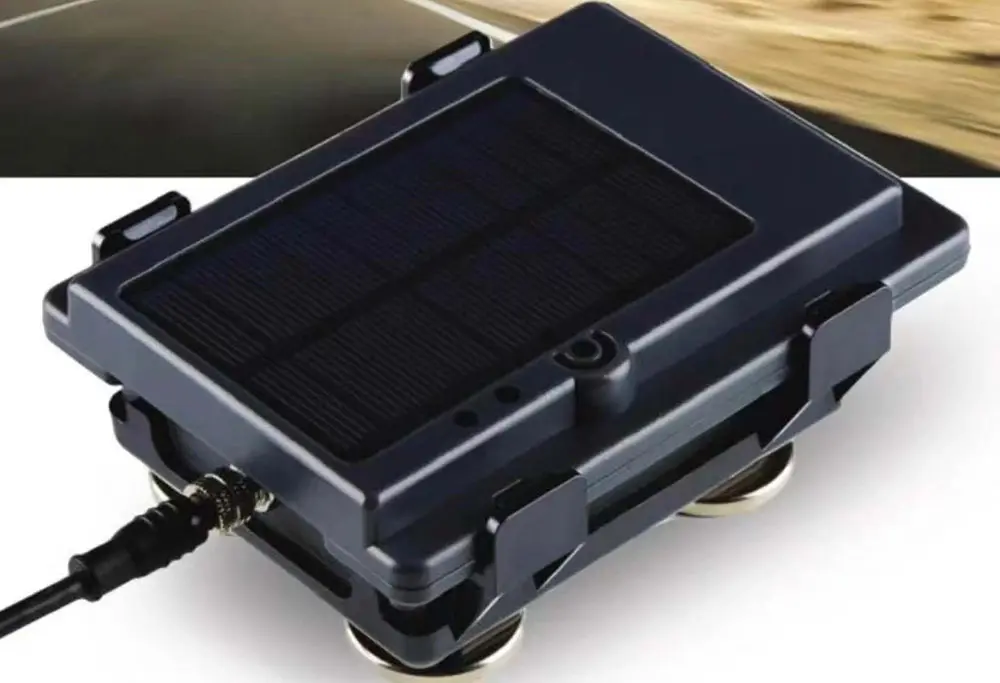
How to Choose Solar Panel for IoT Devices
Choosing the right solar panel for IoT devices is essential for ensuring stable and long-term operation. Unlike traditional solar applications, IoT devices usually have low power consumption and require compact, efficient, and reliable solar solutions.
1. Understand Power Consumption
The first step is to determine the power consumption of your IoT device. Most IoT sensors and monitoring systems operate at very low power levels, typically ranging from microamps to milliamps.
You should calculate daily energy consumption (Wh) to ensure the solar panel can provide sufficient energy.
2. Choose the Right Voltage
Common output voltages for IoT solar panels include 1.5V, 3V, 5V, and 6V. The selected voltage should match your device or battery charging requirements. Of course, it can be customized on voltage. Using a proper voltage ensures stable charging and avoids energy loss.
3. Consider Solar Panel Size and Installation Space
IoT devices are often compact, so the available installation space is limited. Choose a solar panel size that fits your device design while still meeting power requirements. Custom sizes are often recommended for optimized performance.
4. Evaluate Efficiency
High efficiency solar panels, such as monocrystalline panels, are ideal for IoT applications because they can generate more power in a limited area. This is especially important for small devices and compact installations.
5. Consider Environmental Conditions
IoT devices are often deployed outdoors, so the solar panel must withstand various environmental conditions such as rain, dust, and temperature changes.
• Waterproof design
• UV resistance
• Stable performance in outdoor environments
6. Low Light Performance
In some applications, IoT devices may operate under limited sunlight. While monocrystalline solar panels can still generate power in low light conditions, performance will depend on light intensity.
For extremely low light environments, alternative technologies such as amorphous solar panels may be considered.
7. Customization Options
Many IoT projects require customized solar panels to match specific requirements.
• Custom voltage and power output
• Custom size and shape
• Integration with lithium battery systems
Conclusion
Choosing the right solar panel for IoT devices requires careful consideration of power consumption, voltage, size, and environmental conditions. A well-designed solar solution can significantly improve the reliability and lifespan of your IoT system.
Contact Us
If you need help selecting the right solar panel, contact us at info@forleaves.com for professional support.
Related Products
• Solar Panel for IoT Devices
• Custom Solar Panel Solutions
• Lithium Battery & Storage
• Solar Lighting
