



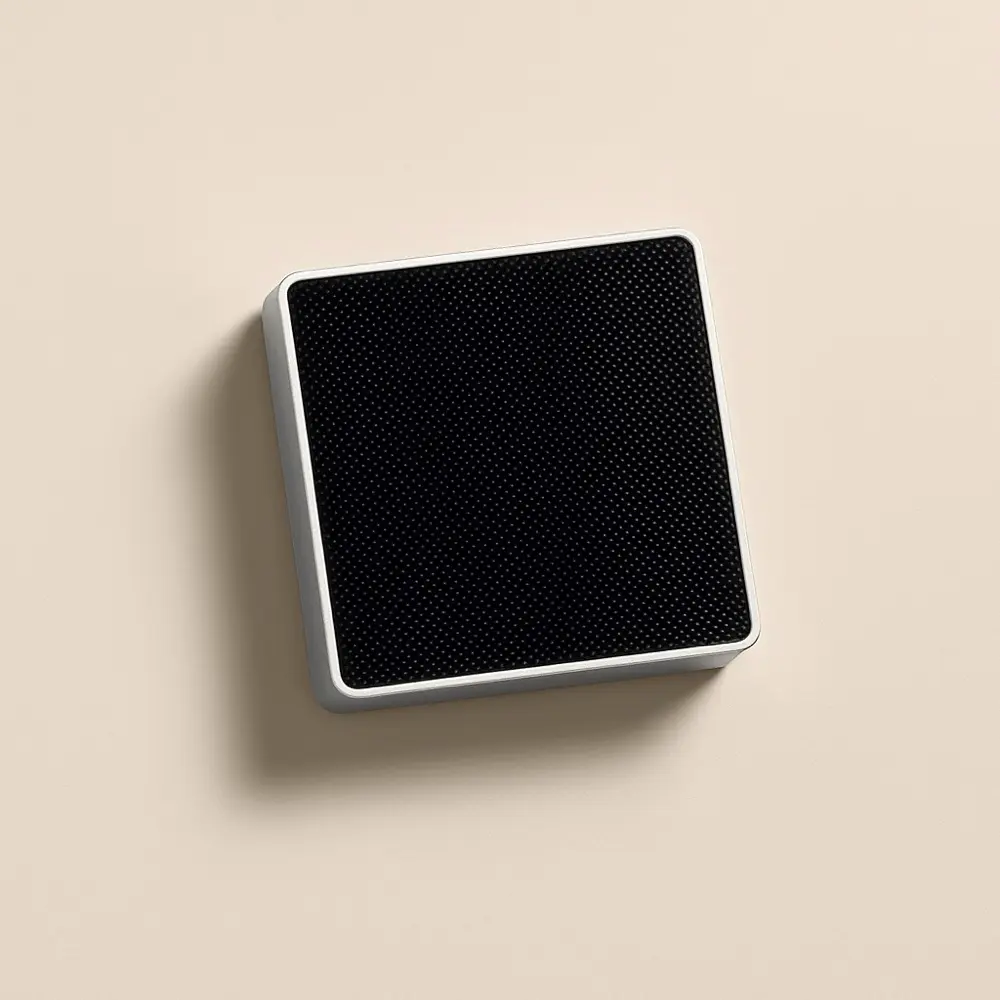
Solar Panel Performance in Low Light Conditions
Solar-powered devices do not always operate under direct sunlight. Many IoT systems, smart sensors, and embedded electronics are installed in environments with unstable or limited lighting conditions. Understanding how solar panels perform under weak light is important for designing reliable and long-lasting solar-powered systems.Why Low Light Performance Matters
In real-world applications, solar panels may experience:
• Cloudy weather
• Partial shading
• Urban shadowing
• Vehicle dashboard installation
• Seasonal sunlight variation
• Indoor environments near windows or artificial lighting
For low-power electronic devices, stable energy harvesting is critical for maintaining battery life and reducing maintenance frequency.
However, the actual performance of a solar panel under weak light depends heavily on the solar cell technology being used.
Solar Cell Technology and Weak Light Performance
Different solar cell technologies behave very differently in low-light environments.
Crystalline Silicon Solar Cells
Monocrystalline and BC solar cells provide:
• High conversion efficiency
• Higher output voltage
• Excellent outdoor performance
• High power density in compact sizes
These solar cells are widely used in:
• Smart parking systems
• Traffic equipment
• Outdoor IoT devices
• Embedded electronics
However, crystalline silicon solar cells are generally not suitable for pure indoor applications, especially when using small solar panels.
Under indoor lighting or heavily shaded conditions, the output power of crystalline silicon cells drops significantly and is often insufficient for stable long-term operation.
For outdoor applications, crystalline silicon solar panels should ideally receive direct or partial sunlight to maintain reliable charging performance.
Amorphous Silicon Solar Cells
For applications primarily operating indoors or under extremely weak light conditions, amorphous silicon solar cells are often a better solution.
Advantages include:
• Better response under indoor lighting
• Improved performance in very weak light environments
• More stable output under diffuse light
However, compared with crystalline silicon cells, amorphous silicon solar cells usually have:
• Lower conversion efficiency
• Lower power density
• Larger size requirements for the same output power
As a result, selecting the correct solar technology depends heavily on the actual operating environment and available installation space.
Other Factors Affecting Low Light Performance
1. Panel Surface Materials
Surface materials influence light transmission and long-term durability.
Common options include:
• Glass panels
• ETFE laminated panels
• PET laminated panels
• Epoxy coated modules
Proper material selection helps improve outdoor reliability and environmental resistance.
2. Charging Circuit Design
The charging system must efficiently manage unstable or low input power.
Important design considerations include:
• Voltage matching
• Battery charging efficiency
• Energy storage management
• Low-power standby optimization
A well-designed power management system can significantly improve overall system stability.
3. Installation Environment
Solar panel orientation and environmental exposure directly affect energy harvesting performance.
Performance can be improved by:
• Reducing shading
• Increasing sunlight exposure
• Optimizing installation angle
• Using higher-efficiency solar cells
• Increasing effective panel area
For outdoor IoT applications, access to direct sunlight remains one of the most important factors for reliable solar charging.
Typical Low-Power Applications
Solar panels designed for compact electronic systems are commonly used in:
• Smart parking devices
• Traffic systems
• GPS trackers
• Remote monitoring equipment
• Smart agriculture systems
• Outdoor IoT devices
Selecting the correct solar technology is essential for achieving stable and long-term operation.
Custom Solar Solutions for IoT Applications
FORLEAVES provides custom solar panel solutions for compact electronic and IoT applications, including:
• Small solar panels
• Flexible solar panels
• Ring-shaped solar panels
• Custom-shaped solar modules
• High-efficiency BC solar cells
• OEM & ODM solutions
We help customers optimize solar panel selection based on:
• Installation environment
• Device power consumption
• Available panel size
• Charging requirements
• Outdoor or indoor operating conditions
Explore More
• Solar Panel Efficiency Guide for IoT Applications
• Solar Panel Sizing Guide for Embedded Electronics
• How to Choose Solar Panel for IoT Devices
Contact Us
If you need professional low-light solar solution consultation and custom solar panel customization for IoT devices, please feel free to contact us via email: info@forleaves.com. We provide engineering selection support and one-stop OEM & ODM manufacturing services.
