



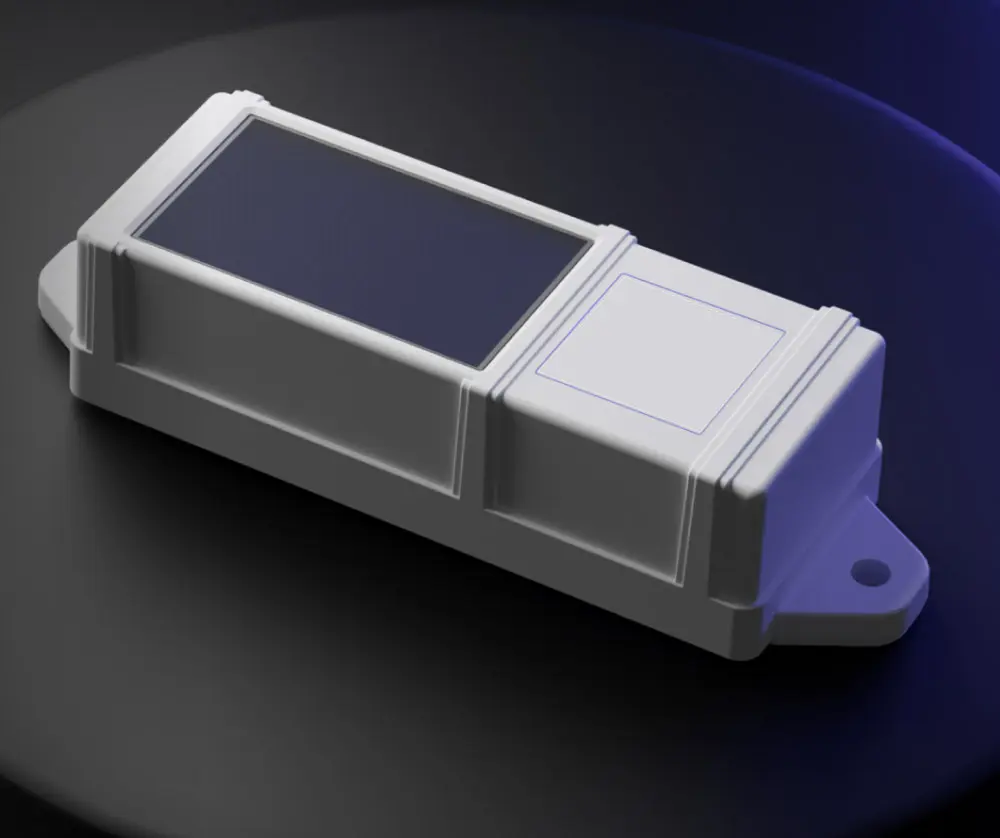
Energy Storage Optimization for Outdoor Applications
Outdoor solar-powered systems are often exposed to harsh environmental conditions. Proper enclosure design and protection measures are essential for maintaining stable energy storage performance over long operating periods.Important environmental considerations include:
• Waterproof protection
• UV resistance
• Dust resistance
• Corrosion resistance
• Vibration protection
For outdoor electronics, selecting suitable enclosure materials and sealing methods can significantly improve overall system reliability.
Battery Self-Discharge and Long-Term Storage
Even when devices are in standby mode, batteries naturally lose energy over time through self-discharge.
Low-power outdoor systems should consider:
• Battery self-discharge rate
• Standby current consumption
• Long inactive periods
• Seasonal storage conditions
Reducing standby power consumption is critical for extending operational time during periods of limited sunlight.
Balancing Solar Input and Energy Consumption
A stable outdoor energy system requires balance between:
• Daily solar energy generation
• Device power consumption
• Battery storage capacity
If energy consumption continuously exceeds solar charging input, the battery will gradually discharge and eventually fail to support the system.
System optimization should focus on:
• Increasing solar charging efficiency
• Improving sunlight exposure
• Reducing device power consumption
• Optimizing charging management
For compact outdoor systems, efficient energy management is often more important than simply increasing battery size.
Importance of Backup Operating Time
Outdoor systems should maintain sufficient backup energy for periods of poor weather.
Typical backup design targets include:
• 3–5 days for standard outdoor devices
• Longer backup periods for critical monitoring systems
• Seasonal adjustments based on local climate conditions
Proper backup capacity helps prevent unexpected system shutdown during continuous cloudy or rainy conditions.
Compact Energy Storage for Embedded Electronics
Modern IoT and embedded systems increasingly require:
• Smaller device size
• Lower maintenance
• Long operating life
• Lightweight construction
This creates strong demand for:
• Compact lithium battery systems
• High-efficiency solar panels
• Optimized charging circuits
• Low-power electronic design
High-efficiency BC solar cells combined with compact energy storage systems can significantly improve outdoor device performance while minimizing installation space.
Integrated Solar Power System Optimization
Reliable outdoor operation depends on optimizing the entire solar power system, including:
• Solar panel selection
• Battery sizing
• Charge controller configuration
• Power management strategy
• Environmental protection design
A balanced system design improves:
• Charging stability
• Battery lifespan
• Device uptime
• Long-term operating reliability
FORLEAVES Custom Outdoor Solar Solutions
FORLEAVES provides customized solar power solutions for outdoor electronic applications, including:
• Small solar panels
• Custom-shaped solar modules
• High-efficiency BC solar cells
• Lithium battery integration
• Compact power management systems
• OEM & ODM engineering support
Our engineering team helps customers optimize complete solar power systems for stable long-term outdoor operation under real-world environmental conditions.
Explore More
• Lithium Battery Selection Guide
• Solar Charge Controller Selection Guide
• Solar Power System Design for IoT Devices
Contact Us
If you need customized outdoor solar power system solutions, environmental protection design and energy optimization, please contact our technical team via email: info@forleaves.com. We provide professional engineering support and one-stop OEM&ODM manufacturing services.
Tags
Outdoor Solar System, Solar Environmental Protection, Battery Self-Discharge, Energy Balance, Compact Energy Storage, BC Solar Cells, Custom Solar Solution, Outdoor IoT System
