



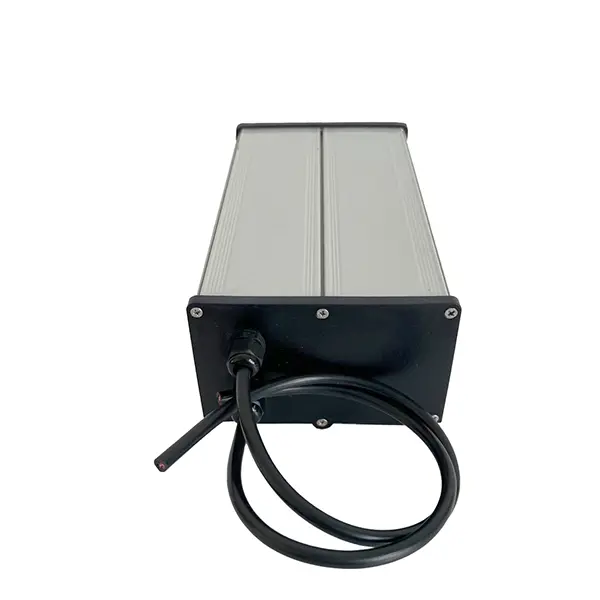
Solar Street Light Battery Sizing Guide: How to Calculate the Right Battery Capacity
Introduction
The battery is one of the most critical components of a solar street lighting system. Even the highest-quality solar panel cannot guarantee reliable nighttime illumination if the battery capacity is insufficient.
Improper battery sizing is one of the leading causes of solar street light failures, resulting in shortened lighting hours, reduced battery life, and poor system performance during cloudy or rainy weather.
This guide explains how to properly calculate battery capacity for solar street lights and how to select the most suitable battery technology for long-term reliability.
For a complete overview of solar street light design, refer to our full article: How to Design a Solar Street Light System.
Why Battery Sizing Matters
The battery serves as the energy storage unit of the solar street light.
During the day:
- Solar panels generate electricity.
- The charge controller regulates charging.
- Excess energy is stored in the battery.
At night:
- The battery supplies power to the LED luminaire.
- The system operates independently of the utility grid.
If the battery is undersized, the light may fail before sunrise or during consecutive cloudy days.
If the battery is oversized, project costs increase unnecessarily.
The goal is to achieve the optimal balance between performance, reliability, and cost.
Key Factors Affecting Battery Capacity
Proper battery sizing depends on several factors:
LED Power Consumption
Higher wattage lights consume more energy.
Examples:
| LED Power | Daily Consumption (12 Hours) |
|---|---|
| 20W | 240Wh |
| 30W | 360Wh |
| 40W | 480Wh |
| 60W | 720Wh |
| 80W | 960Wh |
The battery must be capable of supplying this energy every night.
Operating Hours
Most solar street lights operate:
- 10 Hours
- 12 Hours
- Dusk-to-Dawn Operation
Longer operating hours require larger battery capacity.
Autonomy Days
Autonomy refers to the number of days the system can operate without solar charging.
Typical recommendations:
| Region | Recommended Autonomy |
|---|---|
| Tropical Areas | 2-3 Days |
| Southeast Asia | 3 Days |
| Europe | 3-5 Days |
| Northern Europe | 5-7 Days |
| North America | 3-5 Days |
Municipal projects commonly require 3 to 5 days of autonomy. Check our dedicated guide: How Many Rainy Days Should a Solar Street Light Support for detailed regional design standards.
Battery Voltage
Common system voltages include:
- 12V
- 24V
- 36V
- 48V
Higher voltage systems generally improve efficiency and reduce cable losses.
Depth of Discharge (DOD)
Depth of Discharge indicates how much of the battery's stored energy can be safely used.
Typical values:
| Battery Type | Recommended DOD |
|---|---|
| Lead-Acid | 50% |
| Gel Battery | 50%-60% |
| AGM Battery | 50%-60% |
| LiFePO4 Battery | 80%-90% |
Higher DOD allows more usable energy without reducing battery life. Read our LiFePO4 Battery Selection Guide for Solar Applications to compare different storage options.
Battery Capacity Calculation Method
The battery capacity should be calculated based on:
- Daily Energy Consumption
- Required Autonomy Days
- System Voltage
- Battery DOD
Example Project
Project Specifications:
- LED Power: 40W
- Operating Time: 12 Hours
- Daily Consumption: 480Wh
- Autonomy Requirement: 3 Days
- Battery Voltage: 12V
- DOD: 80%
Total Energy Storage Required:
480Wh × 3 Days = 1440Wh
Required Battery Capacity:
1440Wh ÷ (12V × 0.8) = 150Ah
Recommended Battery:
12V 150Ah LiFePO4 Battery
This configuration provides sufficient reserve capacity for reliable operation during periods of poor weather.
Lead-Acid vs LiFePO4 Batteries
Lead-Acid Batteries
Advantages:
- Lower initial cost
- Mature technology
Disadvantages:
- Shorter lifespan
- Lower usable capacity
- Heavier weight
- More maintenance
Typical cycle life: 500-1000 cycles
LiFePO4 Batteries
Advantages:
- Long service life
- Higher usable capacity
- Lightweight
- Fast charging
- Maintenance-free
- Superior temperature performance
Typical cycle life: 4000-6000+ cycles
Because of their long lifespan and lower maintenance requirements, LiFePO4 batteries have become the preferred choice for modern solar street lighting projects.
Battery Sizing for Different Solar Street Lights
Residential Road Lighting
Typical Configuration:
- 30W LED
- 12 Hours Operation
- 3 Days Autonomy
Recommended Battery: 12V 120Ah LiFePO4
Community Roads
Typical Configuration:
- 40W LED
- 12 Hours Operation
- 3 Days Autonomy
Recommended Battery: 12V 150Ah LiFePO4
Main Roads
Typical Configuration:
- 60W LED
- 12 Hours Operation
- 5 Days Autonomy
Recommended Battery: 24V 200Ah LiFePO4
Highway Projects
Typical Configuration:
- 80W-120W LED
- 12 Hours Operation
- 5 Days Autonomy
Recommended Battery: Custom-designed high-capacity LiFePO4 battery systems.
Temperature Effects on Battery Performance
Battery performance changes significantly with temperature.
High Temperatures
Can accelerate battery aging and reduce service life.
Low Temperatures
Can temporarily reduce available capacity.
For projects located in cold climates, battery sizing should include additional capacity reserves.
Proper thermal management can significantly improve battery longevity.
Common Battery Sizing Mistakes
Many solar street light failures are caused by incorrect battery sizing.
Common mistakes include:
- Choosing Batteries Based Only on Price
- Ignoring Local Weather Conditions
- Underestimating Lighting Hours
- Using Lead-Acid Capacity Rules for Lithium Batteries
Low-cost batteries often have lower actual capacity and shorter service life. Rainy seasons and winter months should be considered during system design. Longer operating schedules require larger batteries. LiFePO4 batteries can safely operate at higher DOD levels, making them more efficient and cost-effective over their lifetime.
Integrated Battery vs External Battery Systems
Integrated Batteries
Advantages:
- Compact design
- Easy installation
- Attractive appearance
Applications: Parks, Pathways, Residential areas
External Battery Systems
Advantages:
- Larger capacity
- Better thermal management
- Easier maintenance
Applications: Municipal roads, Highways, Industrial projects
Why Professional Battery Sizing Is Important
Every project is different.
Factors such as:
- Geographic location
- Solar radiation
- Lighting standards
- Pole spacing
- Weather conditions
- Operating schedules
must all be considered during battery selection.
Professional battery sizing helps prevent system failures, reduce maintenance costs, and maximize project return on investment.
At FORLEAVES, we provide customized battery sizing and solar street light engineering services based on project-specific requirements. Our solutions are designed to ensure reliable operation, extended battery life, and optimal system performance in a wide range of environmental conditions.
Note: For controller selection reference, check our dedicated article: MPPT vs PWM Controllers for Solar Street Lights.
Conclusion
Battery sizing is one of the most important steps in solar street light design. A properly sized battery ensures reliable operation during nighttime and adverse weather while maximizing system lifespan and efficiency.
By considering daily energy consumption, autonomy days, battery voltage, and battery technology, project developers can create solar street lighting systems that deliver long-term performance and lower lifecycle costs.
For professional assistance with battery selection, solar panel sizing, and customized solar street light solutions, contact FORLEAVES via email info@forleaves.com to get tailored engineering proposal and project quotation.
Related Reading List
- How to Design a Solar Street Light System
- MPPT vs PWM Controllers for Solar Street Lights
- How Many Rainy Days Should a Solar Street Light Support
- LiFePO4 Battery Selection Guide for Solar Applications
Contact Us
Contact us at info@forleaves.com for free battery capacity calculation, system design consultation and customized solar street light solutions for your global projects.
